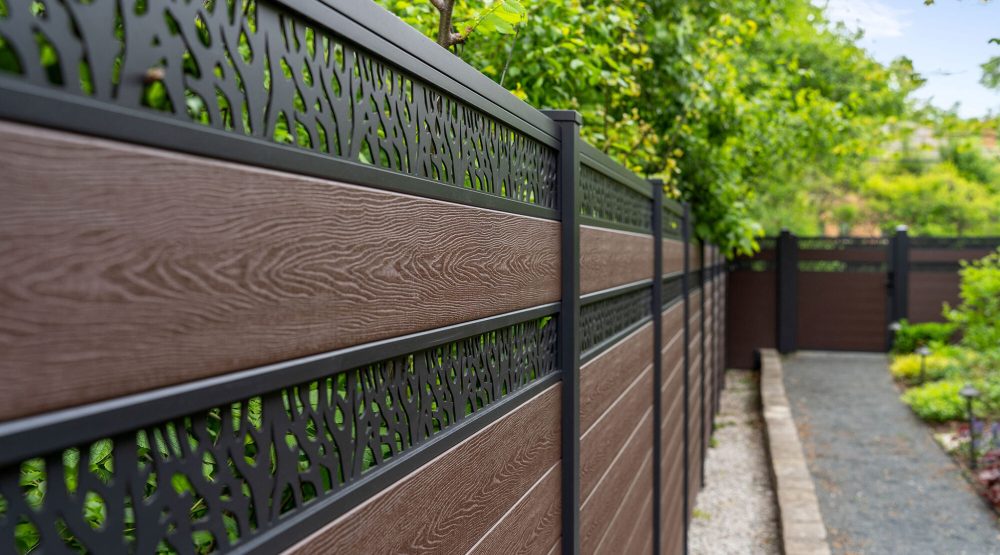
When most people think about fencing, they picture traditional systems that require extensive measuring, cutting, fastening, and on-site adjustments. While those methods have been used for decades, a new approach is quickly gaining popularity among homeowners, contractors, builders, and architects: modular fencing.
A modular fence system is designed using pre-engineered components that work together as one complete system. Instead of assembling a fence piece by piece in the field, modular fencing uses standardized posts, rails, and infill materials that fit together with precision. The result is a cleaner installation process, improved consistency, and a modern finished appearance.
As projects continue to demand better performance, faster installation, and contemporary design, modular fencing systems are becoming a preferred solution for both residential and commercial applications.
What Is Modular Fencing?
At its core, modular fencing is a fence system built from interchangeable components designed to fit together seamlessly.
Unlike traditional fencing, where installers often cut and modify materials on-site, modular systems are engineered to create repeatable and predictable results. Each component is manufactured to precise specifications, helping ensure consistent quality throughout the entire project.
- Faster installation
- Cleaner architectural appearance
- Consistent panel spacing and alignment
- Reduced labor requirements
- Improved long-term performance
- Easier customization and design flexibility
Why Modular Fence Systems Are Growing in Popularity
Modern construction projects demand efficiency. Whether it is a luxury home, multifamily development, commercial property, or hospitality project, owners and contractors are constantly looking for solutions that save time without sacrificing quality.
A modular fence system addresses several common challenges associated with traditional fencing:
- Less field fabrication
- Simplified installation process
- Cleaner project timelines
- More predictable material requirements
- Modern design aesthetics
For builders, contractors, and developers managing multiple trades and tight schedules, reducing installation complexity can have a significant impact on overall project efficiency.
Material Options for Modular Fencing
One of the biggest advantages of modular fencing is the ability to choose materials that best fit the project’s goals, style, and budget. Greenwood Fence offers three premium infill options within its modular system: aluminum, composite, and vinyl.
Aluminum Modular Fencing
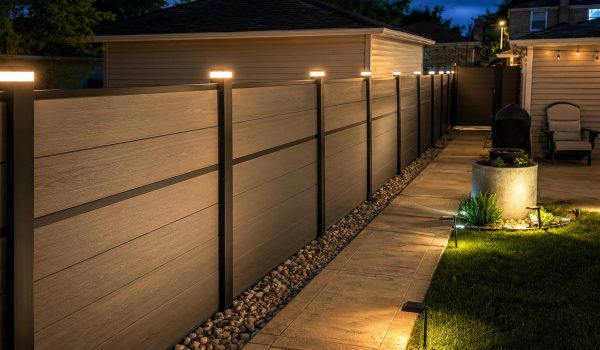
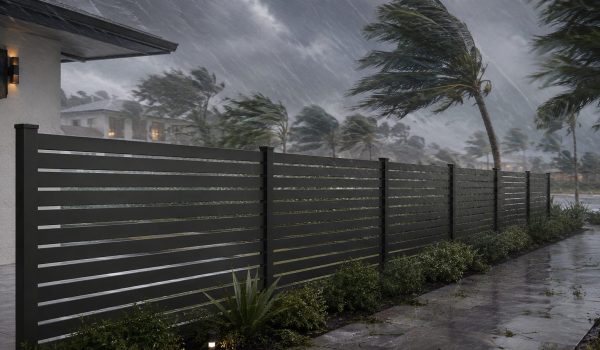
Aluminum fencing is one of the most durable and low-maintenance options available. It delivers a clean architectural appearance while offering exceptional long-term performance in demanding environments.
- 50+ year lifespan
- Non-combustible material
- Will not rust or rot
- Virtually zero maintenance
- Modern architectural appearance
- Ideal for residential and commercial projects
Aluminum is increasingly specified by architects, builders, and developers looking for a premium, long-term fencing solution.
Composite Modular Fencing
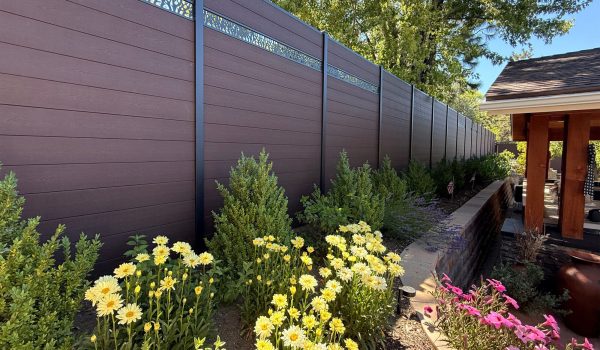
Composite fencing offers the warmth and appearance of wood without the maintenance requirements. Greenwood’s composite fencing is built for long-term durability, making it a strong option for homeowners and professionals who want beauty without ongoing upkeep.
- Natural wood appearance
- Rot resistant
- Pest resistant
- UV protected finishes
- Low maintenance
- Excellent privacy performance
For property owners who love the look of wood but want better performance over time, composite modular fencing is a smart alternative.
Vinyl Modular Fencing
Vinyl fencing remains one of the most practical choices for clean, low-maintenance privacy and perimeter applications.
- Durable construction
- Fade resistant finishes
- Low maintenance
- Clean, modern appearance
- Excellent value
Vinyl continues to be a strong option for homeowners seeking long-term performance with minimal upkeep.
Who Uses Modular Fencing?
Modular fencing is no longer limited to one type of buyer or project. Today’s modular systems are being used across residential, commercial, and architectural applications.
- Homeowners
- Fence contractors
- Custom home builders
- Commercial contractors
- Architects
- Developers
- Property managers
- Hospitality groups
Because modular systems can be customized for different applications, they are suitable for everything from backyard privacy fences to large-scale commercial developments.
Residential Applications
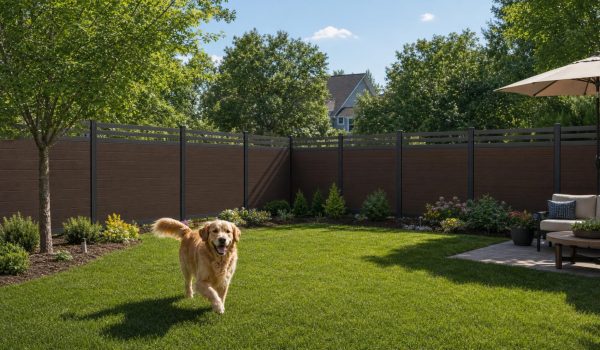
Homeowners often choose modular fencing for privacy, curb appeal, security, and long-term value. The clean lines and customizable appearance make modular systems especially attractive for modern residential projects.
- Privacy fencing
- Pool enclosures
- Property boundaries
- Landscape enhancement
- Modern architectural homes
Commercial Applications
Commercial applications for modular fence systems continue to grow as architects, builders, and developers look for durable, attractive, and efficient solutions.
- Multifamily developments
- Apartment communities
- Corporate campuses
- Hospitality properties
- Equipment yards
- Rooftop amenity spaces
- Public gathering areas
The combination of durability, aesthetics, and installation efficiency makes modular fencing an attractive choice for commercial stakeholders.
The Future of Fencing Is Modular
As construction continues to evolve, so do expectations around building materials and installation methods. Property owners, contractors, builders, and architects increasingly expect solutions that combine design flexibility, durability, and efficiency.
A well-designed modular fence system delivers all three.
Whether you are planning a residential backyard project, multifamily development, or commercial installation, modular fencing provides a modern alternative to traditional fence construction.
With premium material options including aluminum, composite, and vinyl, today’s modular fencing systems offer the flexibility to meet virtually any project requirement while delivering the clean architectural appearance modern projects demand.
Explore 100+ fence designs and discover how Greenwood Fence’s modular fencing systems can help bring your next project to life.