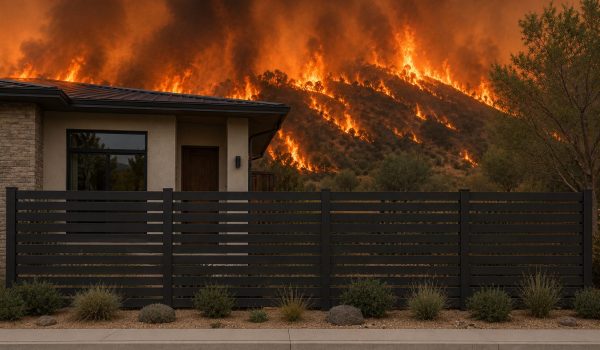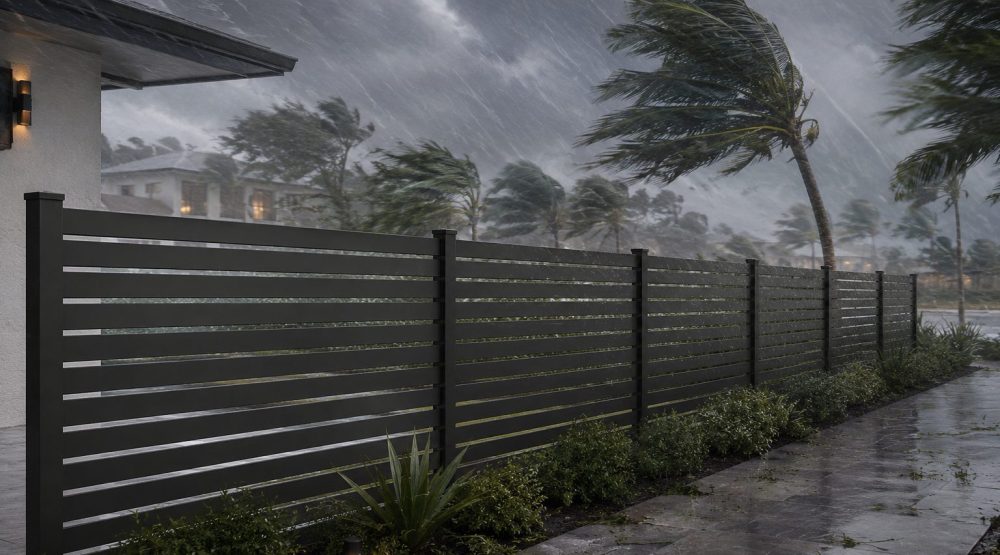
Every year, homeowners along the Gulf Coast and Atlantic Coast prepare for hurricane season by securing their homes, trimming trees, and reviewing emergency plans. One feature that is often overlooked until after a storm is the fence.
A fence isn’t just a property boundary—it can become one of the first structures exposed to extreme wind forces. Choosing the right fencing system can make a significant difference in how it performs during high-wind events.
While no fence is completely hurricane-proof, selecting the right design, material, and installation method can help improve durability and reduce wind-related stress. For homeowners in Florida and other hurricane-prone regions, understanding the role of airflow is one of the most important factors when selecting a new fence.
Greenwood fences, when installed at the proper depth and according to our installation guidelines, have been wind tested up to 110 MPH. In high-wind environments, choosing a fence engineered for strength and airflow can help reduce wind pressure while providing long-lasting protection for your property and outdoor living spaces.
Why Wind Matters
When strong winds hit a completely solid fence, the fence behaves much like a sail. Wind pressure builds against the surface, placing tremendous force on the posts, rails, and fasteners.
The larger the uninterrupted surface area, the greater the pressure that can develop during severe weather.
In many cases, it isn’t the fence material that fails—it’s the excessive wind load placed on the structure.
Airflow Can Reduce Wind Pressure
One of the most effective ways to reduce wind load is by allowing air to pass through the fence.
Fence designs that incorporate controlled spacing or decorative openings help relieve pressure by reducing the amount of wind trapped behind the fence.
This doesn’t eliminate wind forces, but it can reduce the overall stress placed on the fencing system compared to a completely solid panel.
For many coastal properties, airflow is an important design consideration alongside privacy and aesthetics.
The Euro Slat Advantage
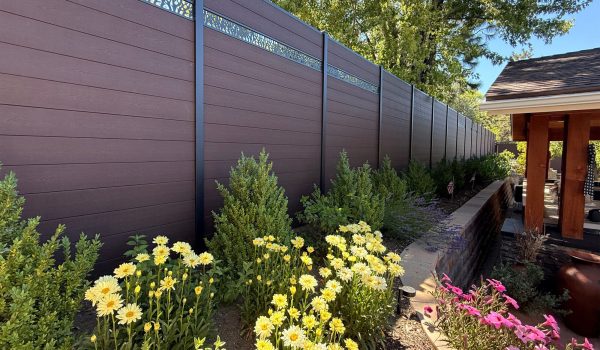
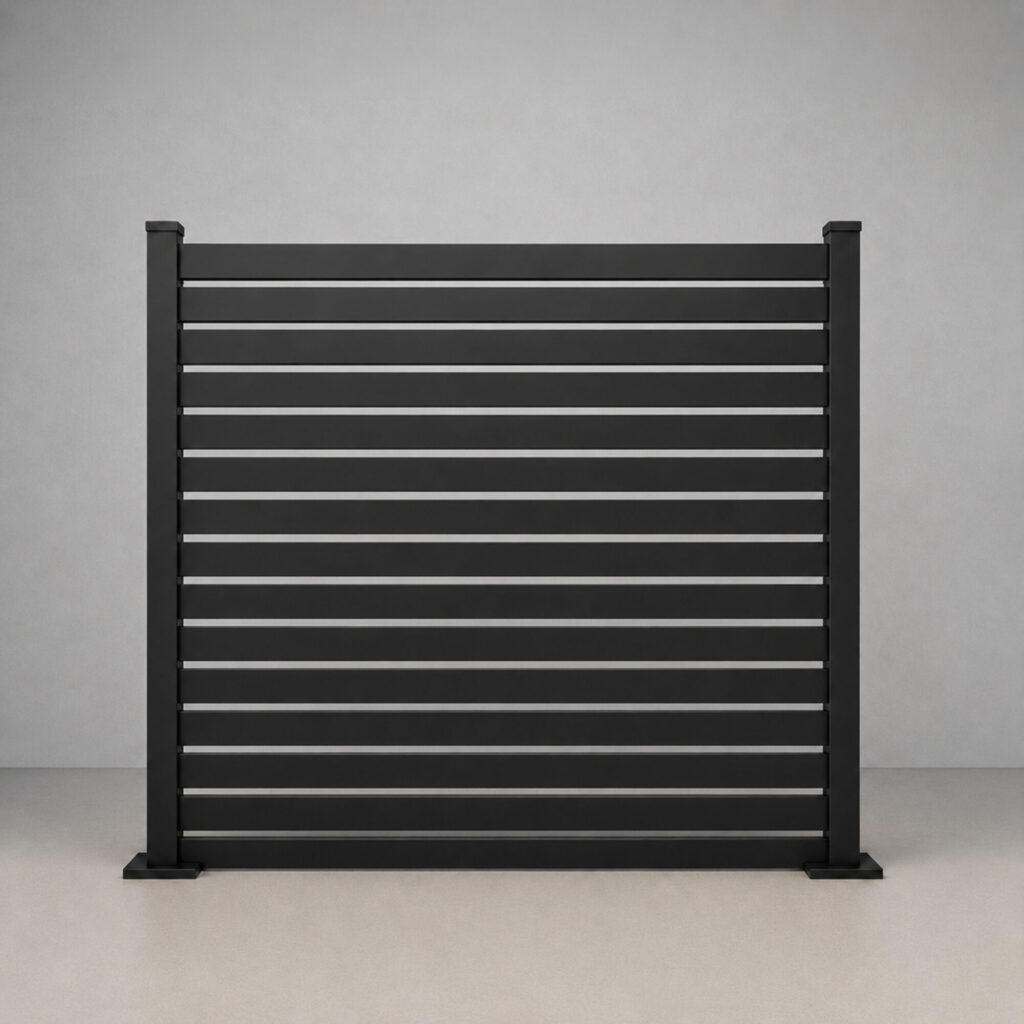
One of Greenwood Fence’s most popular architectural designs for airflow is the Euro Slat Aluminum Fence System.
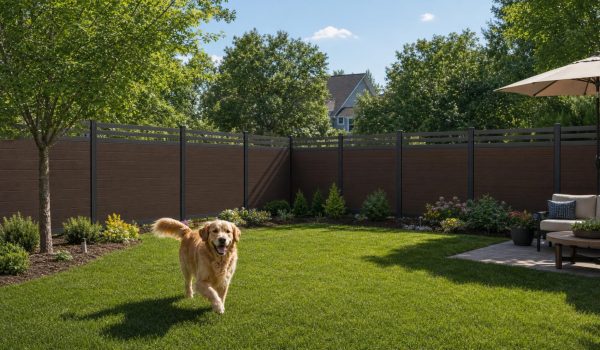
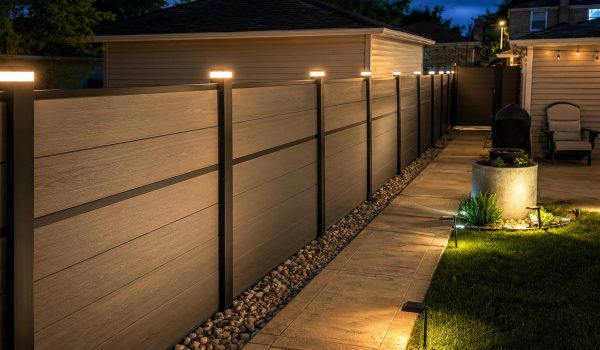
Unlike a completely solid privacy fence, Euro Slat features precision-spaced horizontal aluminum slats that create a customizable balance between privacy, visibility, and ventilation.
Benefits of the Euro Slat design include:
- Improved airflow compared to solid privacy panels
- Reduced visual bulk
- Modern architectural appearance
- Customizable slat spacing
- Excellent privacy while maintaining openness
- 100% powder-coated aluminum construction
For homeowners who want privacy without completely blocking airflow, Euro Slat offers an elegant solution that performs beautifully in modern landscapes.
Why Aluminum Is Ideal for Coastal Environments
Material selection is just as important as fence design.
Powder-coated aluminum offers several advantages for coastal regions where humidity, salt exposure, and severe weather are common.
- Will not rust
- Will not rot
- Resists corrosion
- Non-combustible
- Virtually maintenance free
- Long service life
Combined with thoughtful fence design, aluminum provides exceptional long-term durability in challenging environments.
Privacy Doesn’t Have to Mean Solid
Many homeowners assume maximum privacy requires a completely solid fence.
Today’s architectural fencing systems offer a more balanced approach.
By incorporating carefully spaced horizontal slats, homeowners can enjoy:
- Enhanced privacy
- Better airflow
- Cleaner architectural aesthetics
- Reduced wind resistance
- More natural light
The result is an outdoor space that feels open and inviting while still providing the separation most homeowners desire.
Other Greenwood Designs That Promote Airflow
While the Euro Slat system is specifically engineered around adjustable spacing, Greenwood offers several other modular fencing designs that naturally encourage airflow.
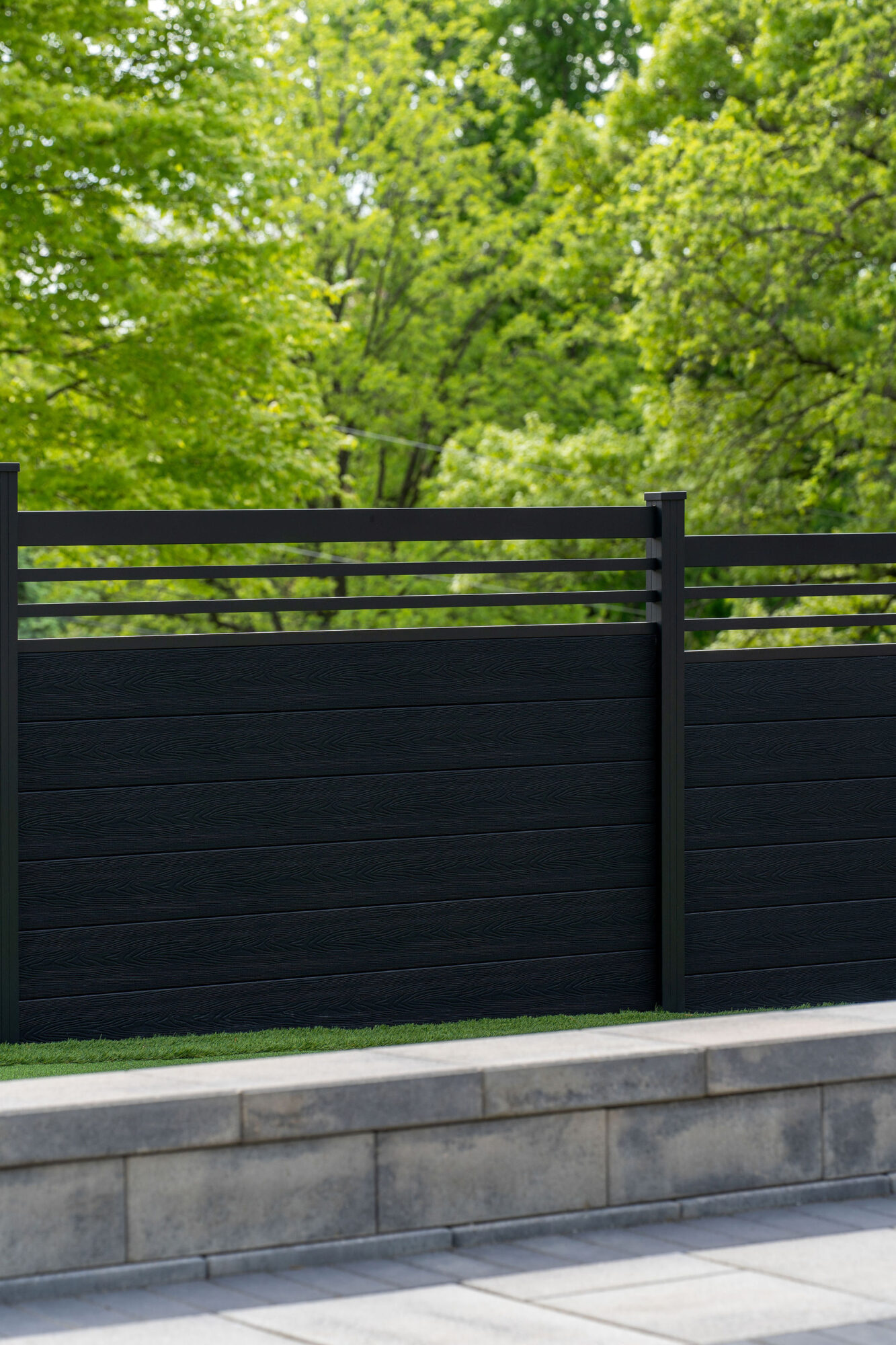
Decorative lattice designs, open architectural panels, and custom aluminum configurations can all help reduce wind pressure while adding visual interest to a property.
Because Greenwood’s Modular Fencing System allows for numerous design combinations, homeowners and designers can select the right balance of privacy, ventilation, and aesthetics for their environment.
Installation Still Matters
Even the best fence design depends on proper installation. Fence posts, footings, gate hardware, and overall engineering all contribute to long-term performance. For homeowners in hurricane-prone areas, working with qualified installers and selecting products designed for demanding environments is essential.
Every property is unique, and local building codes should always be followed when designing and installing fencing systems.
Choosing the Right Fence for Florida and Coastal Communities
Florida homeowners face unique environmental challenges. High humidity, salt air, intense UV exposure, and hurricane-force winds all place added demands on exterior building materials.
Choosing a fencing system that balances durability, airflow, and modern design can help maximize long-term performance while reducing maintenance over the life of the fence.
For many homeowners, an aluminum modular fencing system with controlled airflow provides an ideal combination of strength, beauty, and resilience.
Build for the Long Term
Hurricane season serves as an important reminder that fence design is about more than appearance. Material selection, airflow, engineering, and installation all play an important role in how a fence performs over time.
Whether you’re replacing an aging fence or planning a new construction project, considering wind resistance from the beginning can help you make a smarter long-term investment.
Explore Greenwood’s Modular Fencing Systems—including the Euro Slat Aluminum Series—to discover modern fencing solutions designed for beauty, durability, and improved airflow.