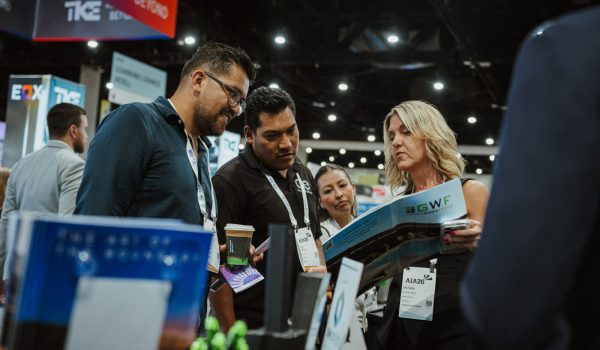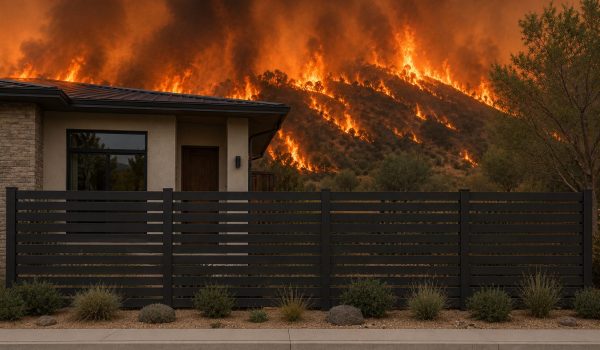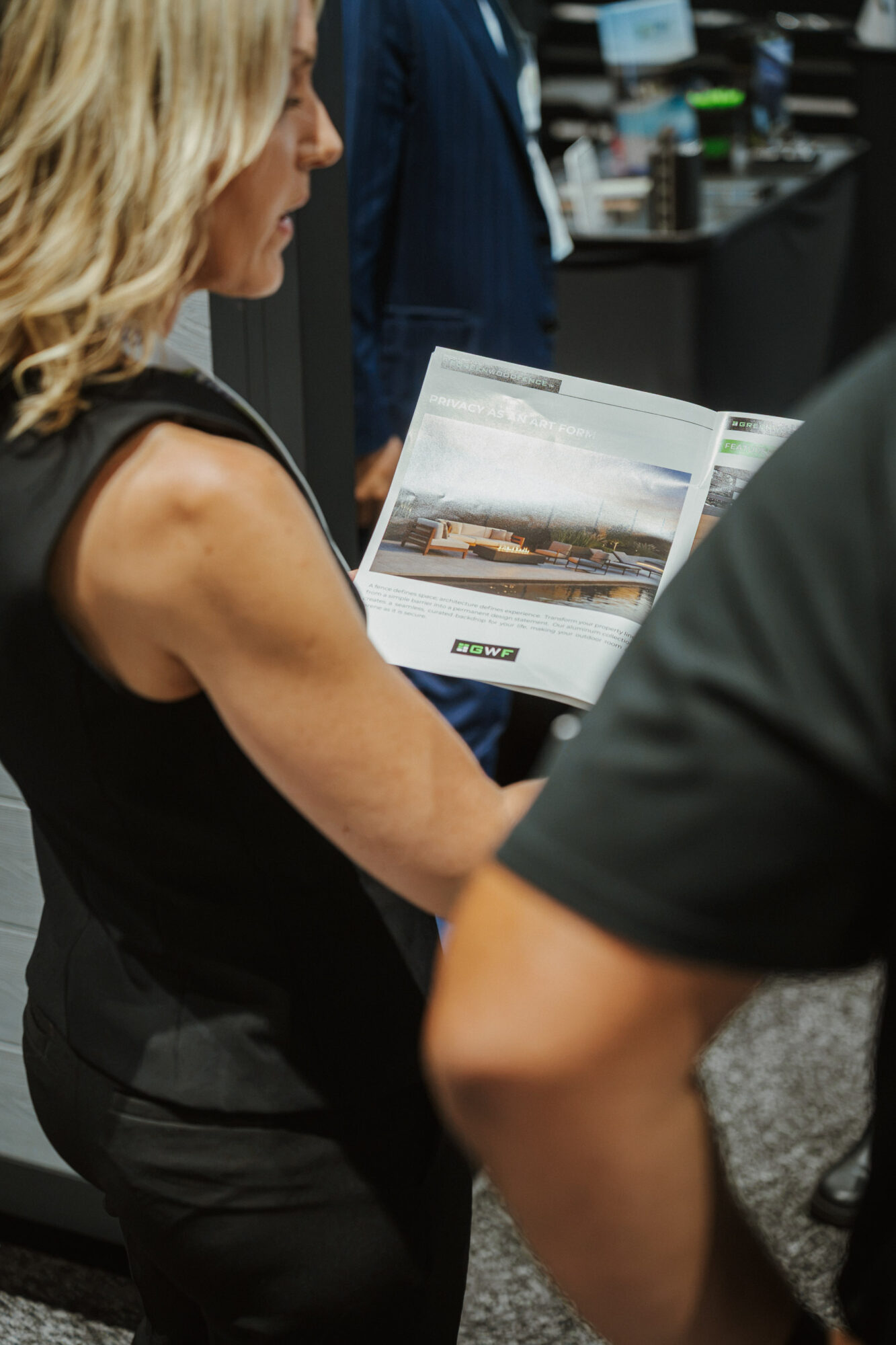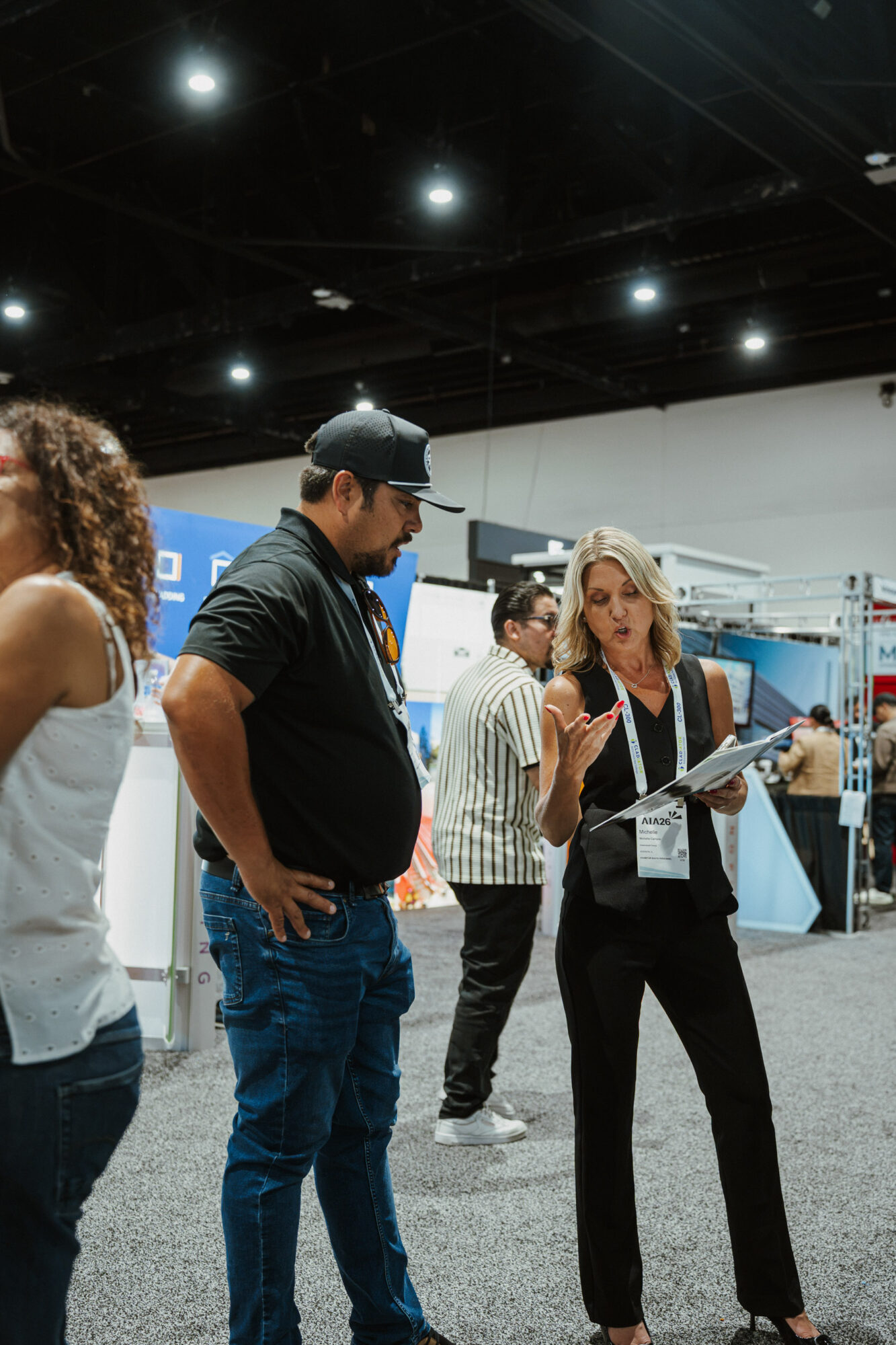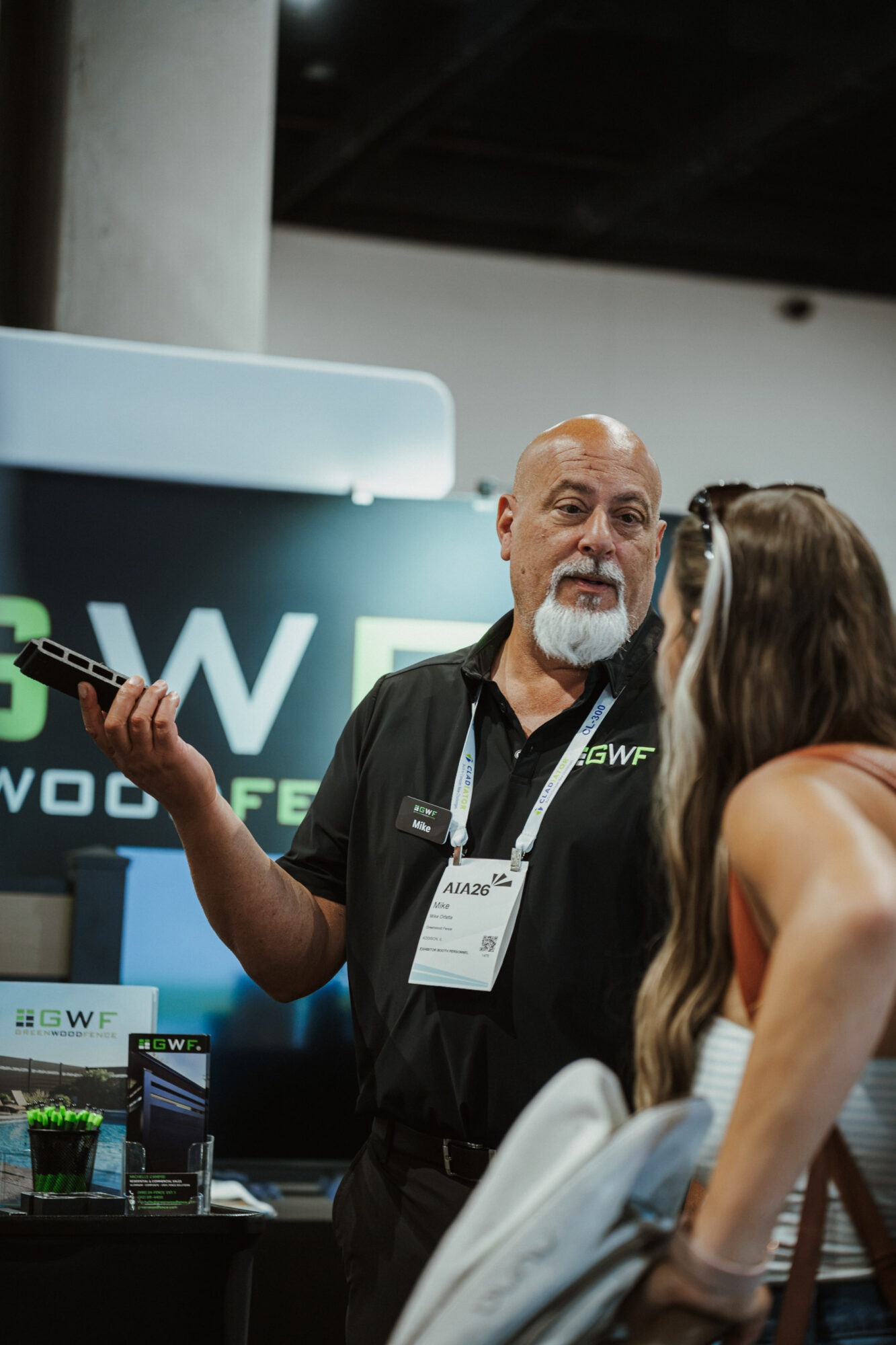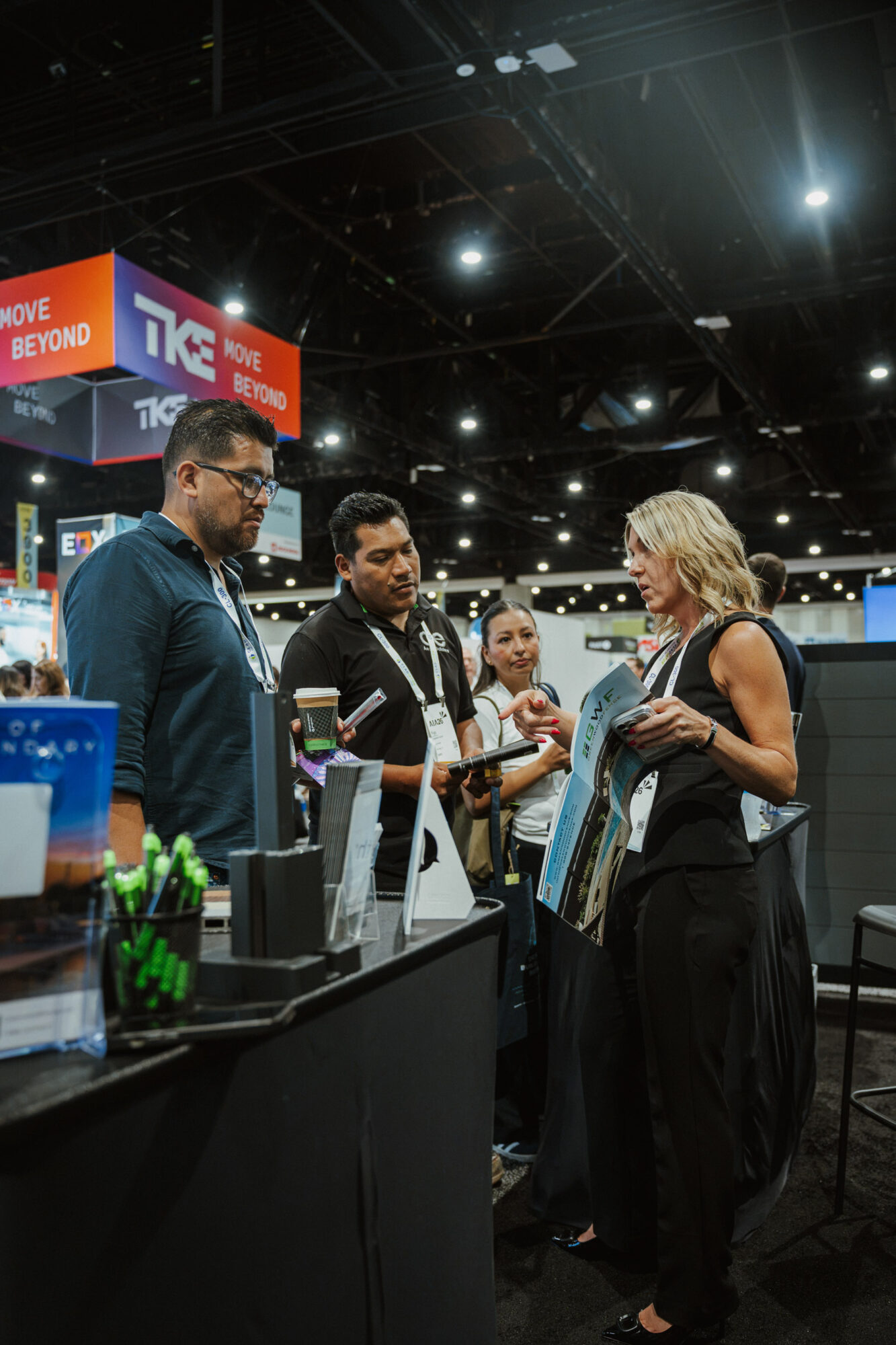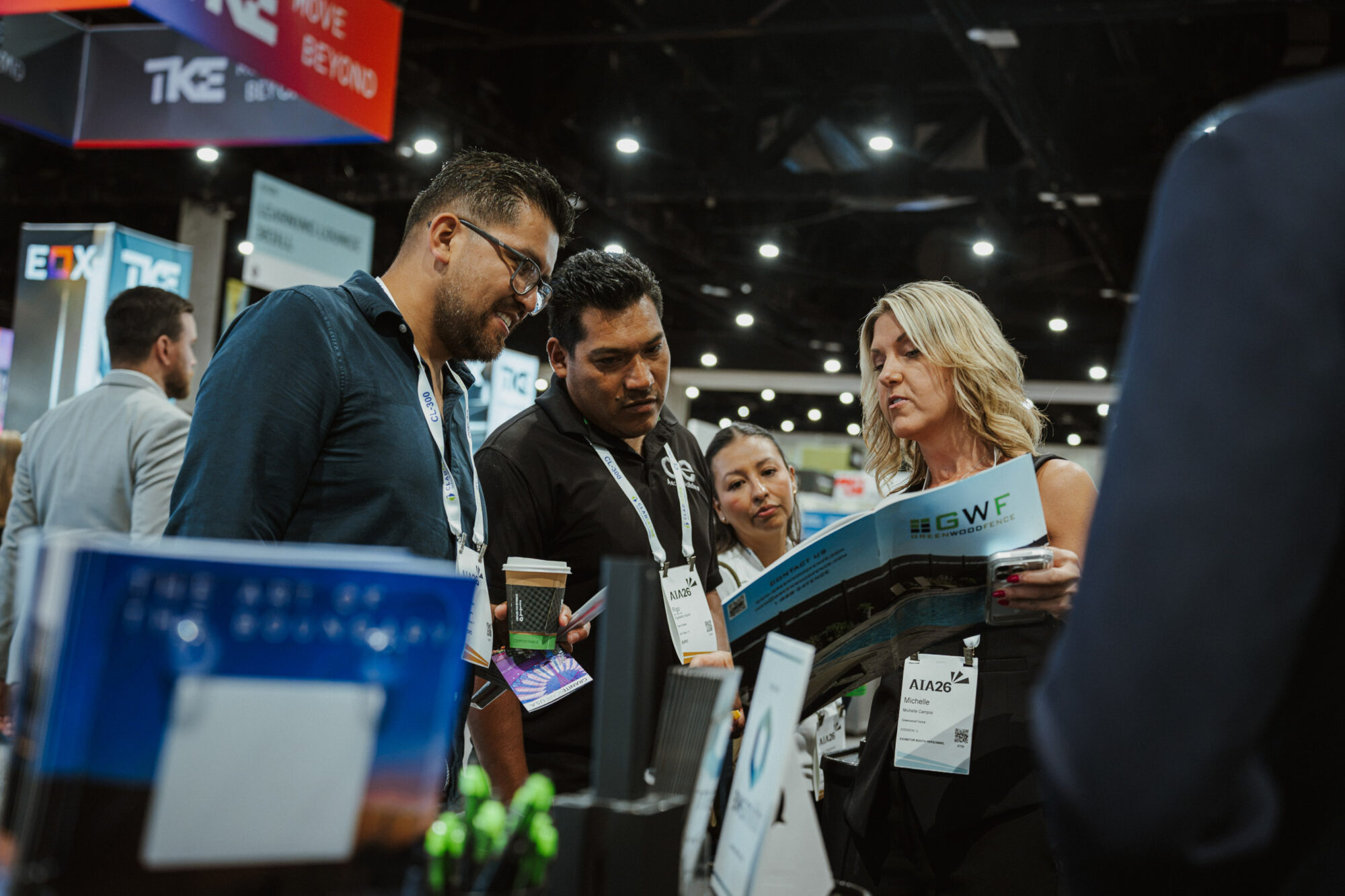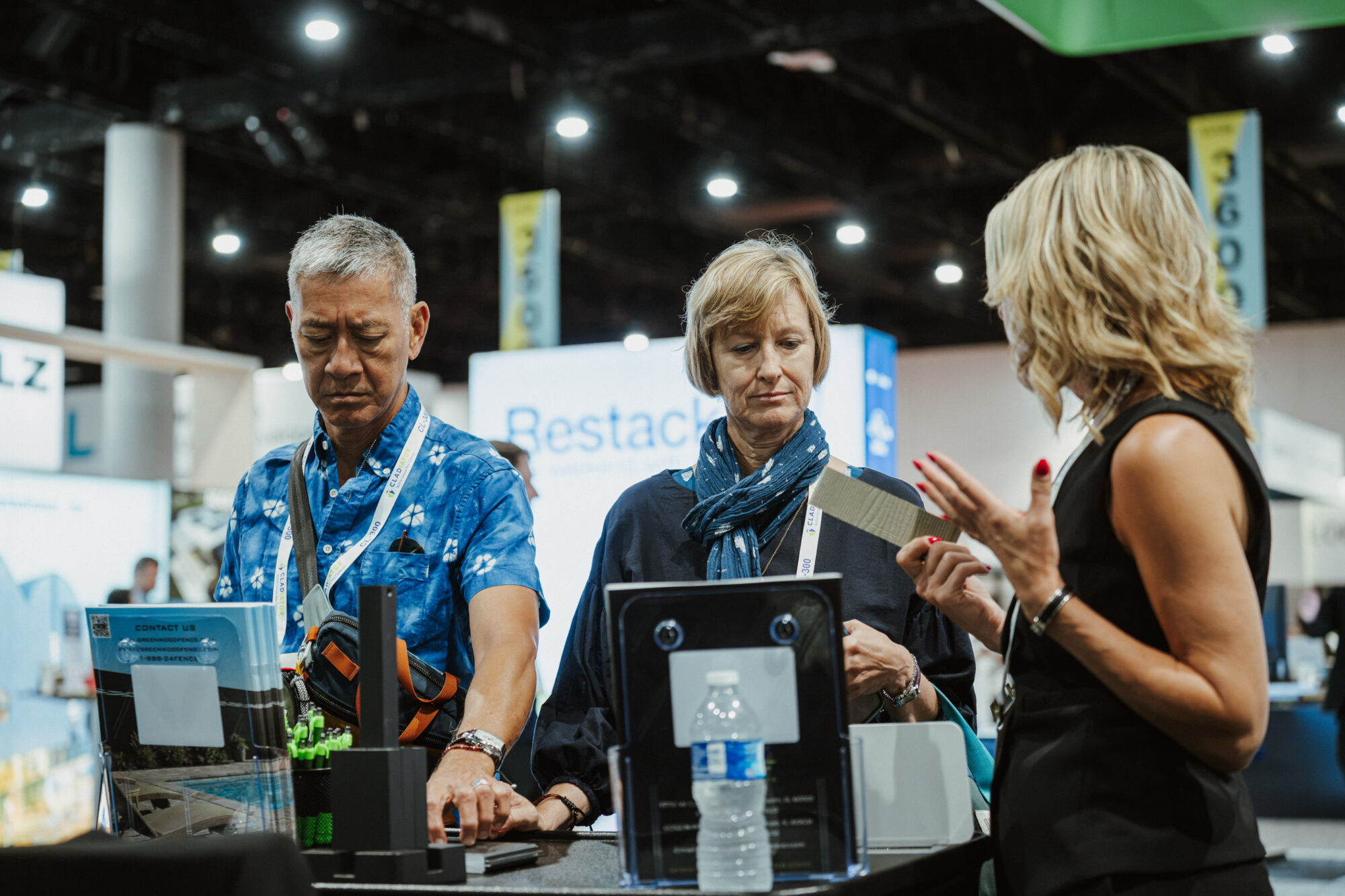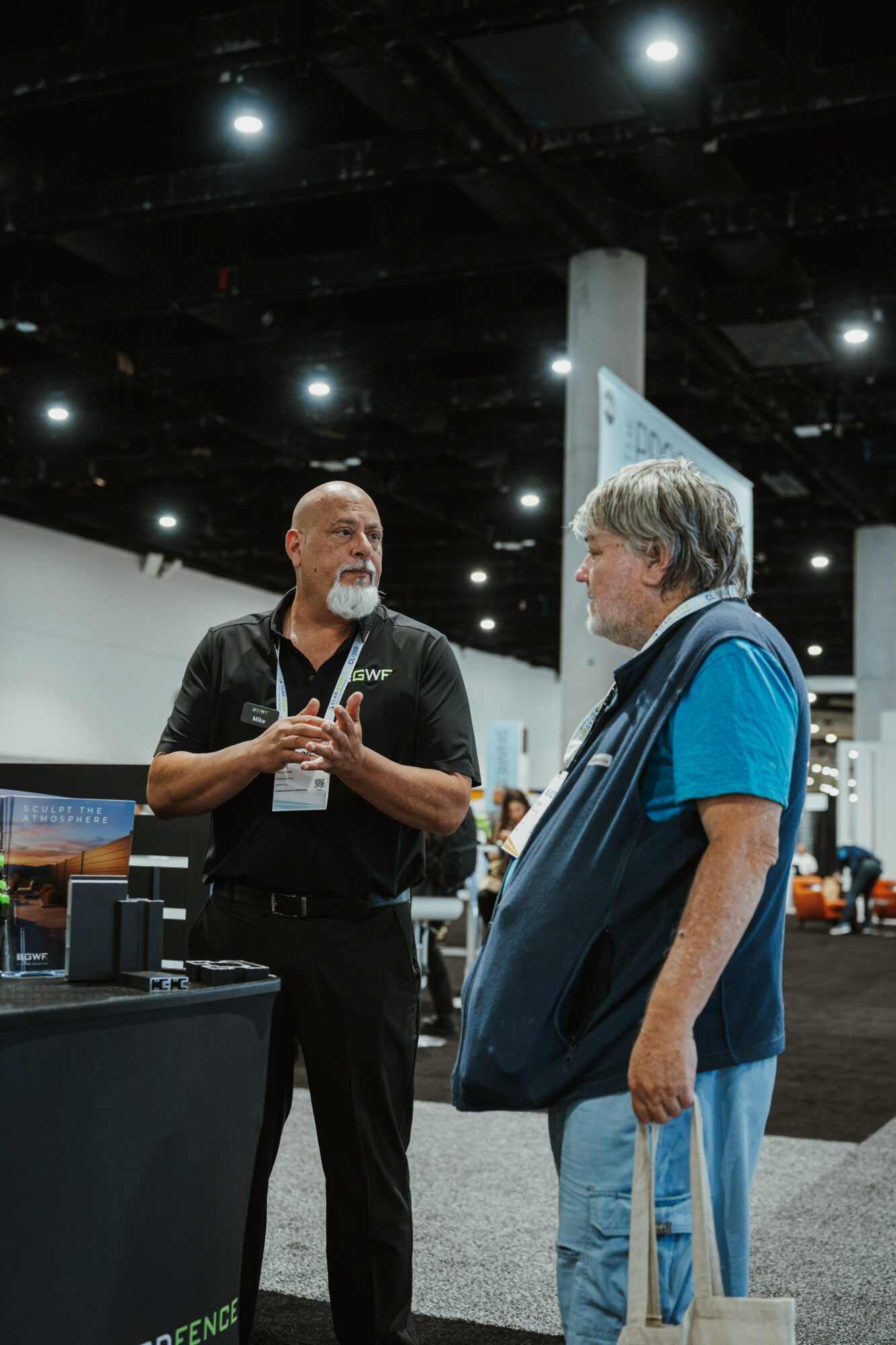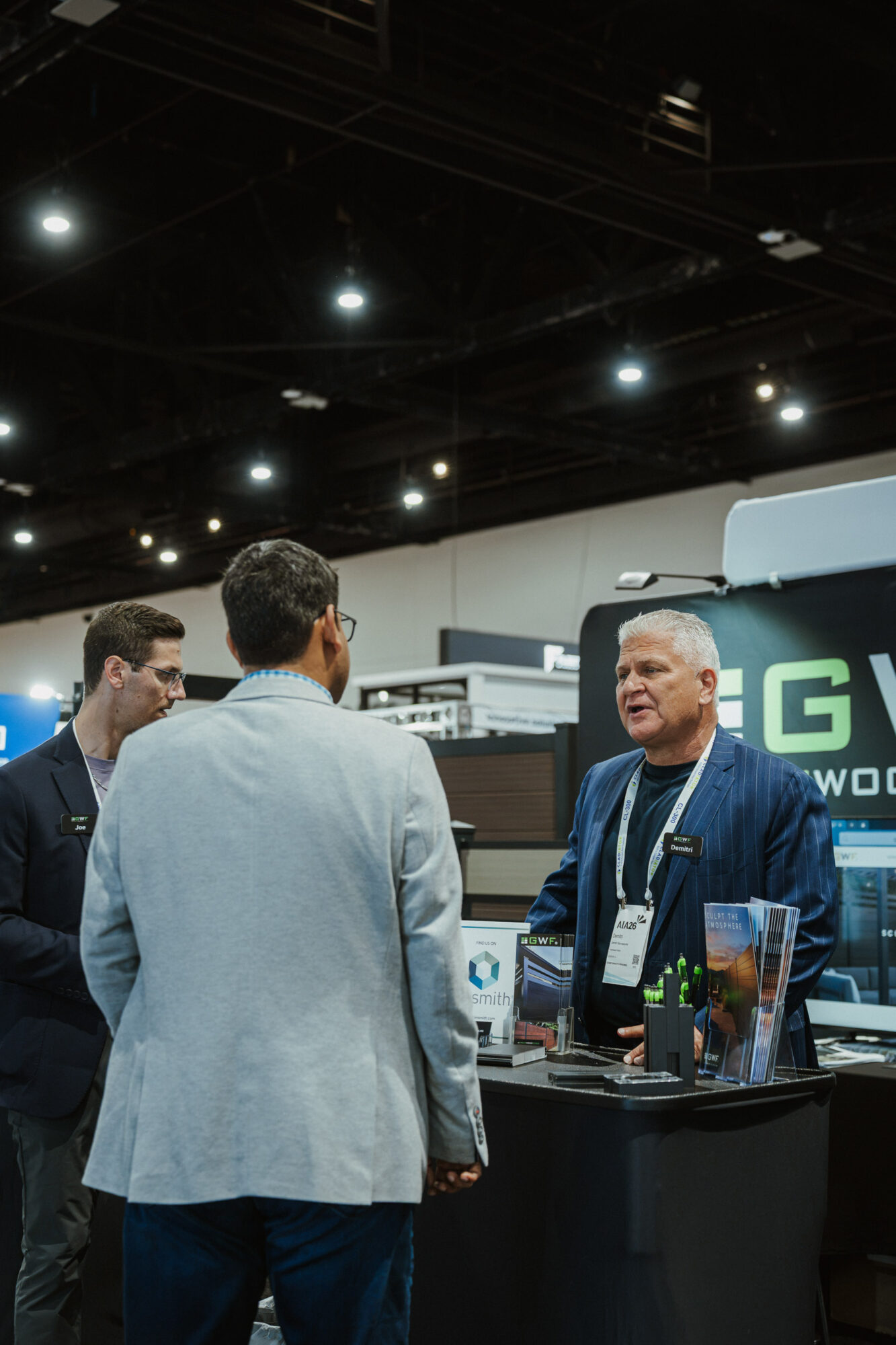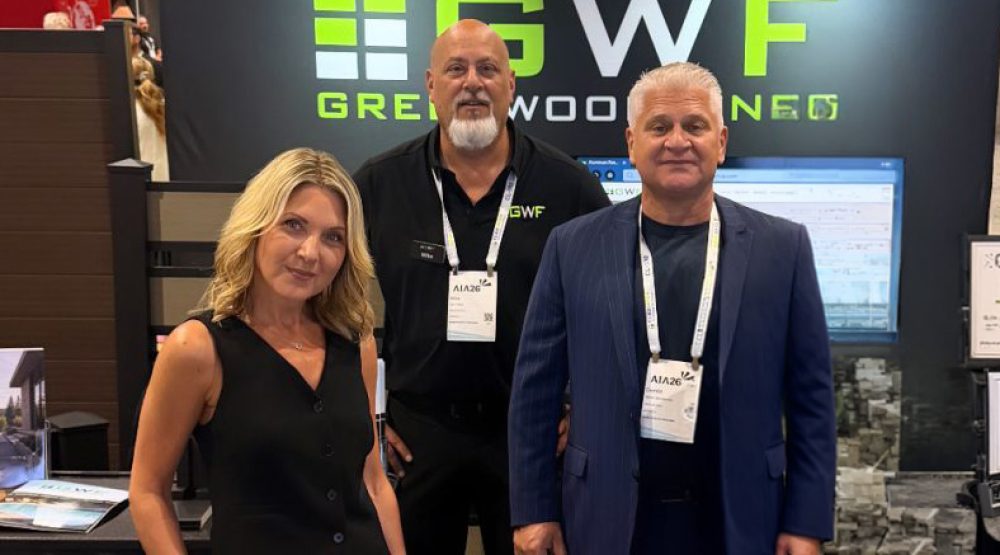
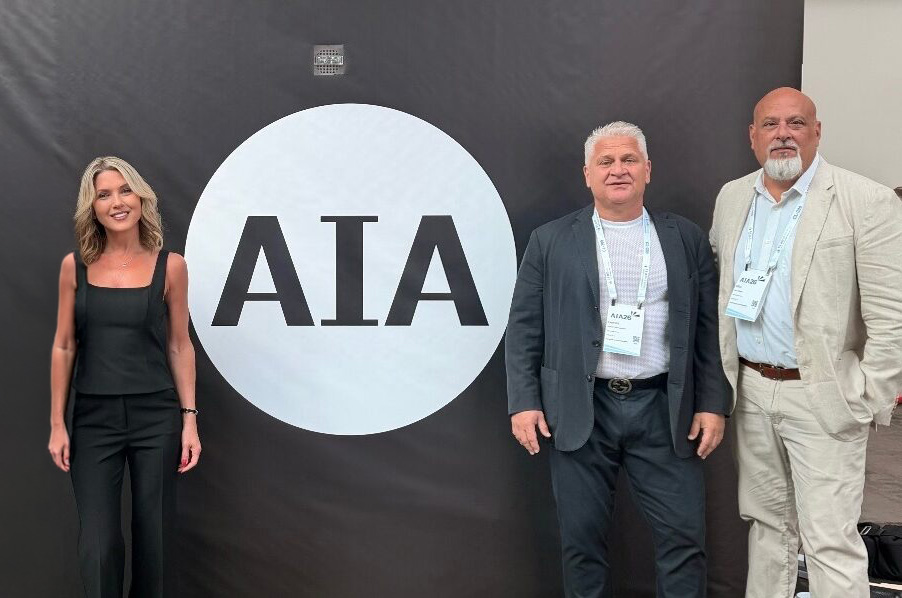
The AIA Conference on Architecture & Design continues to be one of the most influential gatherings in the built environment industry, bringing together architects, designers, manufacturers, developers, and innovators from across the world. This year, Greenwood Fence was proud to exhibit at AIA 2026, connecting with thousands of design professionals and sharing our vision for the future of modern fencing.
For Greenwood Fence, attending AIA is about far more than showcasing products. It is an opportunity to stay at the forefront of architectural trends, understand the evolving needs of the design community, and ensure our products continue to support the way projects are being designed and built.
Why AIA Matters
Architects are often among the first professionals to identify emerging trends in construction, materials, sustainability, and project delivery. By participating in AIA, Greenwood gains valuable insight into where the industry is heading and how our products can continue to provide meaningful solutions for the next generation of projects.
From multifamily developments and hospitality projects to commercial campuses and luxury residential properties, the conversations taking place at AIA help shape the future of the built environment.
For Greenwood, being part of those conversations is essential.
Building Relationships in the Architectural Community
One of the biggest takeaways from this year’s conference was the tremendous interest from architects and designers seeking modern alternatives to traditional fencing systems.
Throughout the event, the Greenwood team connected with architects, landscape architects, developers, and specification professionals from across North America. These conversations reinforced the growing demand for fencing solutions that combine aesthetics, durability, flexibility, and ease of installation.
More importantly, they highlighted the increasing role fencing plays in the overall architectural vision of a project.
“The perimeter is often treated as an afterthought—until designers see what’s possible when it’s approached as an architectural system.”
— Joey, Greenwood Fence
As projects become more design-driven, fencing is increasingly being considered as an extension of the architecture itself rather than simply a property boundary.
Modular Is the Future
If there was one theme that emerged repeatedly throughout the conference, it was the growing importance of modularity.
Across countless conversations, architects and designers discussed the benefits of systems-based thinking, prefabrication, efficiency, flexibility, and repeatable project outcomes.
For Greenwood, this was particularly exciting because modularity has been a core pillar of our product philosophy from the very beginning.
Our modular fencing platform was built around the idea that beautiful design should not come at the expense of efficiency, consistency, or long-term performance. Seeing the architectural community embrace these same principles reaffirmed the direction Greenwood has been pursuing for years.
“I never realized the strength of the word modular until I was in the AIA environment!!”… “Can’t wait til next year.”
— Demetri S., Co-Founder, Greenwood Fence
What was once viewed as a construction methodology is rapidly becoming a design philosophy, and Greenwood is proud to be part of that movement.
Keeping Greenwood at the Forefront of Innovation
One of the most valuable aspects of attending AIA is the opportunity to listen. While Greenwood was there to introduce architects to our modular fencing systems, we were equally focused on learning from the design community.
The feedback, ideas, and conversations that took place throughout the week will continue to influence product development, design exploration, and future innovations.
As the demand for architectural fencing solutions continues to grow, Greenwood remains committed to developing products that support modern design while delivering the performance and flexibility today’s projects require.
Looking Ahead
AIA 2026 reinforced something we have long believed: fencing is no longer just a functional requirement. It has become an important architectural element that contributes to the overall experience, identity, and success of a project.
The connections made, ideas exchanged, and relationships built throughout the conference have strengthened Greenwood’s commitment to serving the architectural community with innovative modular fencing solutions.
We would like to thank everyone who visited the Greenwood booth, shared ideas, asked questions, and explored what is possible when fencing is treated as part of the architectural vision.
We left AIA inspired, energized, and more confident than ever that modular fencing represents the future of the industry. We can’t wait to continue the conversation—and we can’t wait for next year.